
"coffee volatile molecules"
200 article(s) found
How to produce decaf coffee? Solvent extraction supercritical fluid extraction water treatment
Having a cup of coffee in the morning to kick off the day's work has become a daily ritual for many people, and even tasting coffee has become a social activity. However, the problem that bothers many people is that although they like the unique smell of coffee, they do not want coffee to be too "refreshing" to affect their daily life. Decaf coffee (decaf coffee, also known as decaf coffee)

Roasting is the "key" coffee base in coffee processing
The components of coffee quality (such as the quality and magnitude of acidity and bitterness, the intensity and quality of aroma) are determined at the green bean stage. Although roasting can only adjust the taste within the range of characteristics possessed by green beans, roasting has a far greater impact on coffee taste than grinding and extraction, which transfer the active ingredients produced after roasting into the coffee liquid and create flavor.
How to distinguish the aroma characteristics of coffee
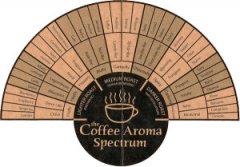
During the evaluation of the feeling of coffee, the smell of coffee and our sense of smell are the most important. It's easy to explain.

How do beginners taste coffee flavor coffee taste and description just follow me
Professional coffee knowledge exchange more coffee bean information please follow the coffee workshop (Wechat official account cafe_style) front street-coffee tasting steps introduction tasting coffee overall flavor can be summarized into six steps. The first step: grind coffee beans to enjoy the dry aroma and taste the flavor of the first step, when starting from grinding coffee beans. Coffee beans release a large amount of volatile aromatics when they are ground.
Coffee common sense the "focus" of a cup of coffee is roasting.
The components of coffee quality (such as the quality and range of acidity and bitterness of coffee, the intensity and quality of aroma) are determined at the raw bean stage, although roasting can only adjust the taste within the range of characteristics of raw beans, but the effect of roasting on the taste of coffee is greater than grinding and extraction, grinding and extraction is to transfer the active ingredients produced by roasting to the coffee liquid, and to create flavor.

Coffee technology teaches you how to distinguish the aroma characteristics of coffee.
During the evaluation of the feeling of coffee, the smell of coffee and our sense of smell are the most important. It's easy to explain. The aroma of coffee is made up of tens of millions of molecules, and these molecules interact to form a sensory map. For tasting, this provides a lot of important information: about the origin of coffee beans that make blended coffee, about the technology of coffee makers. Our sense of smell is very complicated.
How to distinguish the aroma characteristics of coffee high-quality coffee basic knowledge of coffee
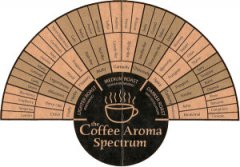
During the evaluation of the feeling of coffee, the smell of coffee and our sense of smell are the most important. It's easy to explain. The aroma of coffee is made up of tens of millions of molecules, and these molecules interact to form a sensory map. For tasting, this provides a lot of important information: about the origin of coffee beans that make blended coffee, about the technology of coffee makers. Our sense of smell is very complicated.

Coffee flavor tasting: where does the "bitter" and "sour" in coffee come from?
Bitterness: caffeine is the best known bitter ingredient in coffee, but caffeine actually accounts for up to 10% of the bitter taste. This can be understood from the fact that the concentration of caffeine in roasted beans is not affected by the degree of roasting, and that non-caffeine also tastes bitter. So where does the remaining 90% of the bitterness come from? One of the sources of coffee bitterness is brown pigment. Brown pigment
Coffee roasting physical changes of coffee roasting temperature and time during coffee roasting
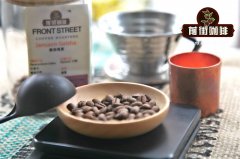
For more information on coffee beans, please follow the coffee workshop (official Wechat account cafe_style). Roasting converts coffee beans from raw beans to ripe beans with rich aroma and flavor, but do you know what happened during the roasting process? When we bake beans, they are mainly divided into physical and chemical changes, volume and pores, and the cell wall strength of coffee beans ranks at the top of the plant kingdom.

The main factors affecting the quality of hand-brewed coffee are as follows.
The freshness of coffee beans roasted coffee beans within a week is the period of their best flavor. With the passage of time, the aromatic molecules in coffee beans continue to volatilize and absorb the peculiar smell in the air, the flavor of coffee beans will gradually lose, and the flavor has been lost after a month. Only bitter taste and bad taste leave ● water 98% of the ingredients in a cup of coffee is water. The quality and temperature of water

What is the coffee Mena reaction? what is the Mena reaction? how much is the Mena reaction?
Professional coffee knowledge exchange more coffee bean information Please pay attention to the coffee workshop (Wechat official account cafe_style) the aroma source of coffee is because the coffee beans themselves store rich precursors of aroma substances, such as carbohydrates, proteins, lipids, organic acids, etc. After being roasted by heat, they will start a series of complex reactions, which create an attractive aroma. And the two important ones

Espresso (espresso) is the essence of coffee beans.
In terms of pure sensory entertainment, there are few experiences in daily life that can be comparable to a good cup of coffee. The charming fragrance of a cup of hot, smoking coffee just brewed from freshly roasted beans can pull sleeping people out of bed and lead passers-by into the cafe. There are millions of people around the world who are not caused by caffeine in their coffee for a while.

Coffee common sense espresso is the essence of coffee
In terms of pure sensory entertainment, there are few experiences in daily life that can be comparable to a good cup of coffee. The charming fragrance of a cup of hot, smoking coffee just brewed from freshly roasted beans can pull sleeping people out of bed and lead passers-by into the cafe. There are millions of people around the world who are not caused by caffeine in their coffee for a while.

Where does the aroma of coffee come from? why does fine coffee smell better than drink?
Most of the time, when you brew coffee and test coffee in the Qianjie coffee factory, you will feel the fragrance of flowers and fruits in the air, or the smell of caramel, sugar, honey and so on. When a hot cup of coffee enters the mouth, it doesn't have the wonderful feeling it smells like, or to put it bluntly, it's not as mellow as it smells. If you want to solve this mystery, you have to

Scientific analysis teaches you to find coffee and diet.
Please follow the coffee workshop (official Wechat account cafe_style) when you cook spaghetti, have you ever wondered why tomatoes are cooked with onions and cheese? Can tomatoes go with coffee? Recently, I have seen some netizens use coconut green to make iced coffee, so is it okay to use garlic to make coffee? Food matching (food pairing) is a new research. Tradition

How to appreciate the overall flavor of a cup of coffee? What are the skills of appreciating coffee?
Professional coffee knowledge exchange more coffee bean information Please follow the coffee workshop (Wechat official account cafe_style) Coffee should be carefully tasted in order to understand its essence, no matter which way the coffee is made, there is no need to rush to finish it. First smell the original aroma of the coffee, then take a sip to try the original taste, then add the right amount of sugar according to your preference, and use a small soup
What physical changes occur when coffee is roasted? What are the changes in the sodium metanide reaction and caramelization?
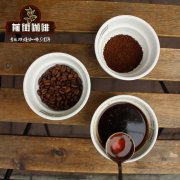
Roasting converts coffee beans from green to ripe, rich in aroma and flavor, but do you know what happens during roasting? When we roast beans, it is mainly divided into physical and chemical changes. This article is the first of two series. Let's first take a look at what happens to coffee beans during roasting. The importance of physical structure The layered structure of coffee beans for roasting out what we want

[coffee roasting] what are the chemical changes in coffee beans during roasting?
Professional coffee knowledge exchange more coffee bean information please follow the coffee workshop (Wechat official account cafe_style) do you know what happens when roasting coffee beans? What are the chemical changes that transform raw coffee beans into coffee ripe beans with charming flavor and rich aroma? In the previous article, we saw that the structure of coffee beans plays an important role in the roasting process.
How to make cold coffee tastes better? Cold brewed coffee made with warm water tastes super sweet!
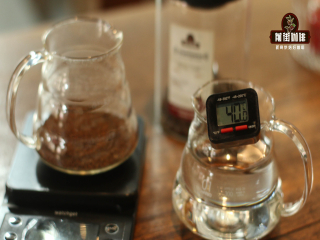
Professional coffee knowledge exchange more coffee bean information please follow the coffee workshop (Wechat official account cafe_style) more boutique coffee beans please add private Wechat Qianjie coffee, WeChat: qjcoffeex "Cold extract coffee should not be soaked in cold water? Can it be regarded as cold extracted coffee with warm water? There won't be.
Italian Coffee-espresso all-round Learning
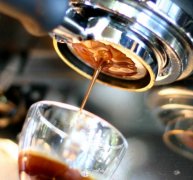
The birth time of Espresso is around 1946; and this year is regarded as the official birth year of espresso. Since then, this unique coffee drink has been popular in Italy, Spain, Portugal and other southern European countries. But it wasn't until around 1986 that espresso was introduced around the world by Starbucks. Since then, people in the coffee industry around the world began to know and understand this kind of coffee.